WHAT IS National Security Law?
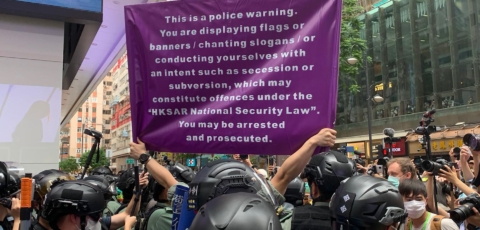
On 30 June 2020, the Law of the People’s Republic of China on Safeguarding National Security in the Hong Kong Special Administrative Region (NSL) was passed by China’s National People’s Congress Standing Committee (NPCSC). The new law was added to Annex III of the Hong Kong Basic Law directly and promulgated by the Hong Kong government without any formal, meaningful public or other local consultation and the Hong Kong legislature was effectively bypassed.
What are the IMPACTS of NSL?
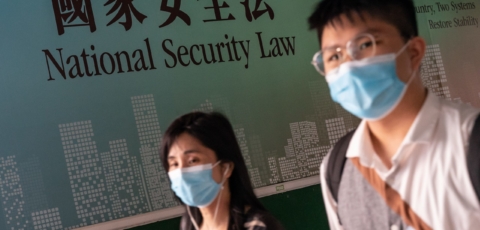
Hong Kong’s National Security Law (NSL) has decimated the city’s freedoms and created a landscape increasingly devoid of human rights protections.
The law targets alleged acts of “secession”, “subversion of state power”, “terrorist activities” and “collusion with foreign or external forces to endanger national security”.
This sweeping definition of “national security”, which follows that of the Chinese central authorities, lacks clarity and legal predictability and has been used arbitrarily as a pretext to restrict the human rights to freedom of expression, peaceful assembly, association and liberty, as well as to repress dissent and political opposition.
The NSL’s arbitrary application and imprecise criminal definitions effectively make it impossible to know how and when it might be deemed as violated, resulting in an instant chilling effect across Hong Kong from day one.